
By Lori Skurbe, RDN
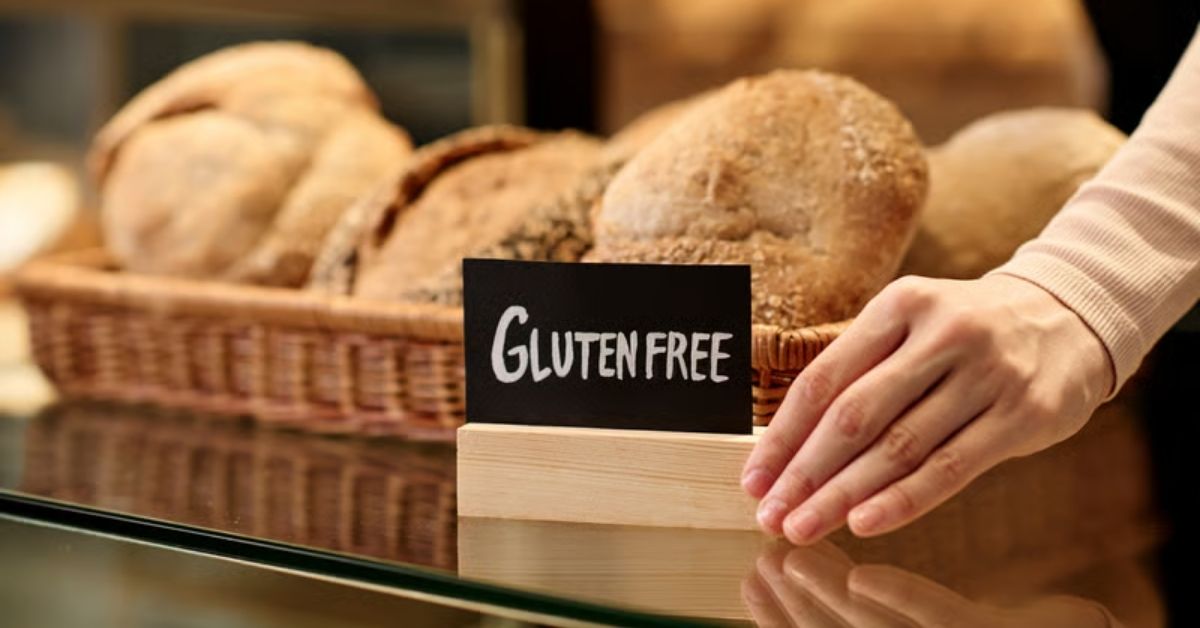
Social media has given millions of people access to a tremendous amount of information, much of which is inaccurate and misleading. It is not surprising that some nutrition myths continue to perpetuate. One myth most dietitians would love to see die: Gluten-Free is Always Healthier
Let’s break down this myth:
In recent years, more gluten-free foods have entered the food market, bringing this type of food more into the mainstream. Many of which seem to be marketed as healthier or better than their gluten-containing counterparts.
What is Gluten?
Gluten is a protein found in certain grains, such as wheat, rye, and barley. Foods that contain derivatives of these foods will also have gluten. Any foods cooked in the same cooking medium (water or oil) will pick up the gluten. When boiling wheat pasta, gluten will be in the pasta water. When frying foods with breadcrumbs or flour, gluten can get into the oil. Any foods cooked in the same water or oil as gluten-containing foods will also pick up some of the gluten – this is called cross-contamination.
Who Needs to Avoid Gluten?
The only people who should avoid gluten are those with celiac disease, a hereditary autoimmune disease in which gluten triggers an immune response in the digestive system, damaging its lining of the small intestines. This can lead to diarrhea, fatigue, malabsorption of nutrients, and anemia. Celiac disease is said to affect about 1% of people. Some people may have a gluten sensitivity, in which the body may react to gluten but does not cause long-term damage and is not an autoimmune response. Celiac disease is diagnosed with a blood test and endoscopy/biopsy. There is no standard way to diagnose gluten sensitivity; it is typically diagnosed when all other possibilities have been ruled out, and you test negative for celiac disease and feel better when gluten is avoided. People with celiac disease have to avoid all gluten, read food labels, and be mindful of cross-contamination. People with gluten sensitivity may be able to tolerate certain amounts of gluten.
Gluten-free foods can be a great way for those with Celiac disease or gluten sensitivity to eat a variety of foods, such as breads, cereals, and pastas, when made with gluten-free alternatives such as rice, corn, or potatoes.
For the rest of us who do not have Celiac disease or a gluten sensitivity, there is no reason to avoid gluten. Gluten-free foods are not necessarily healthier, as many are higher in calories and have lower levels of fortification (added vitamins and minerals) and dietary fiber than gluten-containing foods. In addition, gluten-free foods can also be more expensive than other foods. If you buy these foods, you will be spending more of your food dollars unnecessarily.
Sources:
Cleveland Clinic: Gluten Issues: Is It Celiac Disease, an Intolerance or a Wheat Allergy?, October 16, 2025.
Gluten -free industry is healthy, but is the food? CMAJ, 2013, Spe 17: 185(13): E610